Scaling a Mission-Driven Program from the Ground Up—Powered by People and Purpose
TIMELINE
10 weeks
June '23/'24/'25
TEAM
Naomi Kim
June Jung
Ariana Talai
ROLE
Program Manager
SKILLS
Interaction Design
Visual Design
Prototyping
Product Thinking
THE CHALLENGE
The reality behind the vision
Running a people-centered program means embracing the unexpected.
Each summer, Up-grade brings together students, nonprofits, and mentors—each with different goals and communication styles. What starts as a simple plan to deliver creative work quickly becomes complex.
Nonprofits drop out. Students ghost. Mentors get busy. Expectations shift. As the program manager, I had to keep things moving—even when things fell apart.
THE WHY
The gap between talent and impact
Many local nonprofits have meaningful missions but lack the time, design expertise, or budget to create strong visual communication. At the same time, students are eager for real-world experience, feedback, and something more purposeful than a class project.
Up-grade was created to bridge that gap.
What started as a summer experiment quickly became something bigger: a pipeline of impact for both students and nonprofits.
THE SOLUTION
Designing for people, not perfection
Over three summers leading Up-grade, I learned that no two cohorts are alike. What kept the program running wasn’t a rigid process but the ability to adapt.
Each year, I:
Reviewed 100+ applications and built cross-functional teams from 40+ selected students
Designed onboarding, structured timelines, and weekly check-ins
Stepped in when teams lost stakeholders or hit roadblocks
Improved workflows each cycle based on real feedback
The result? A program that runs more smoothly not because challenges disappeared but because we got better at navigating them.
PROGRAM STRUCTURE
Cross-functional teams. Real non-profit needs. 10 weeks.
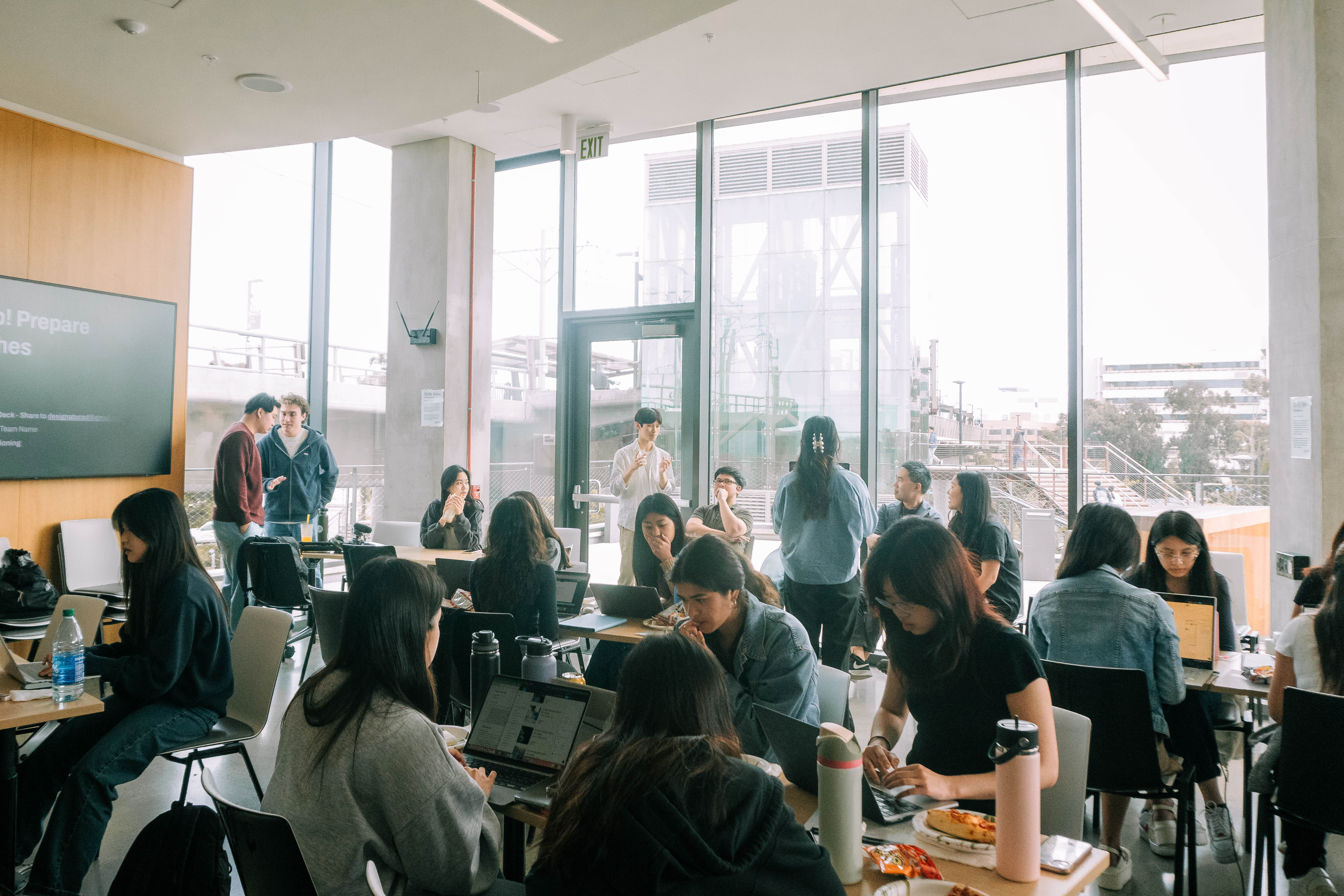
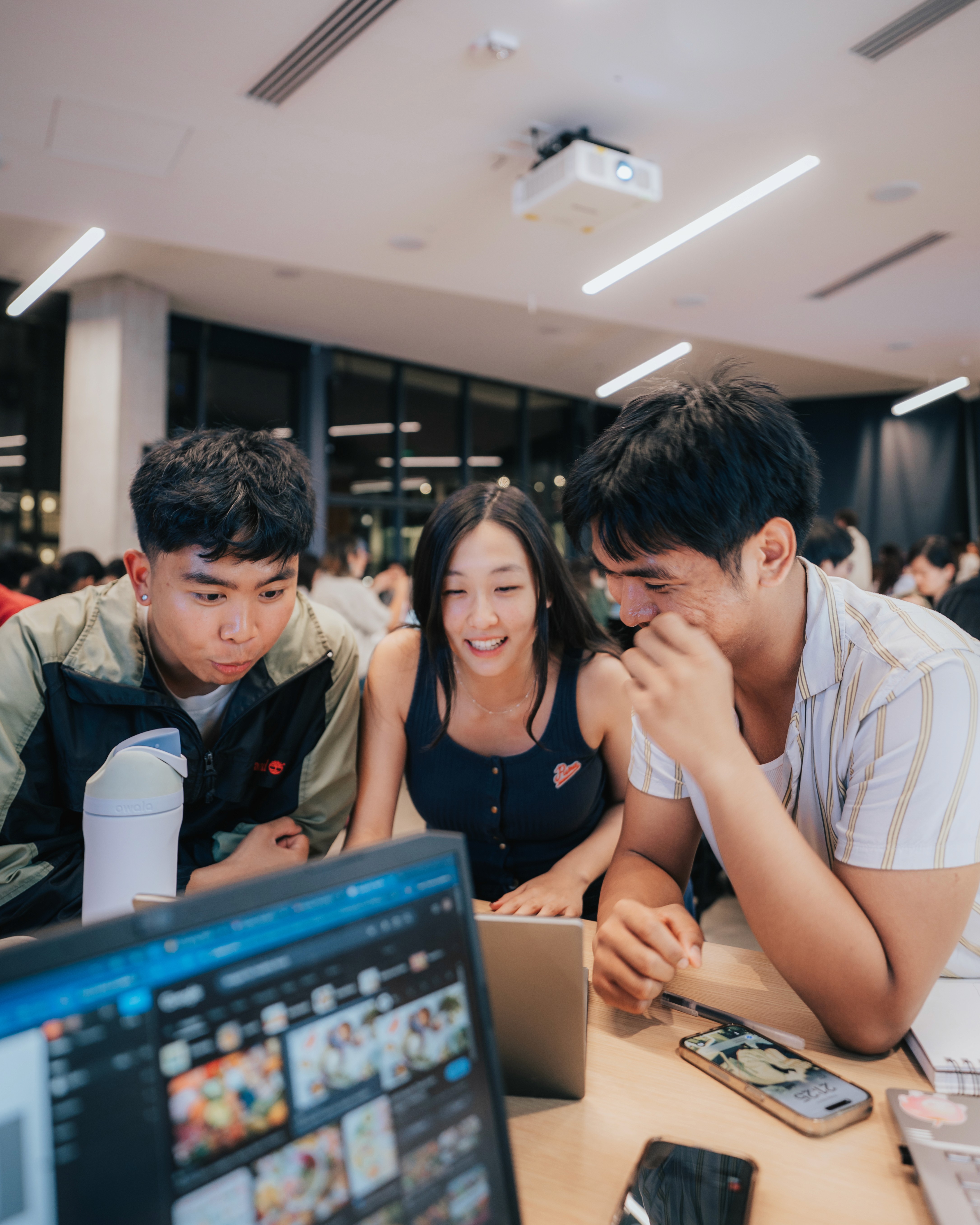
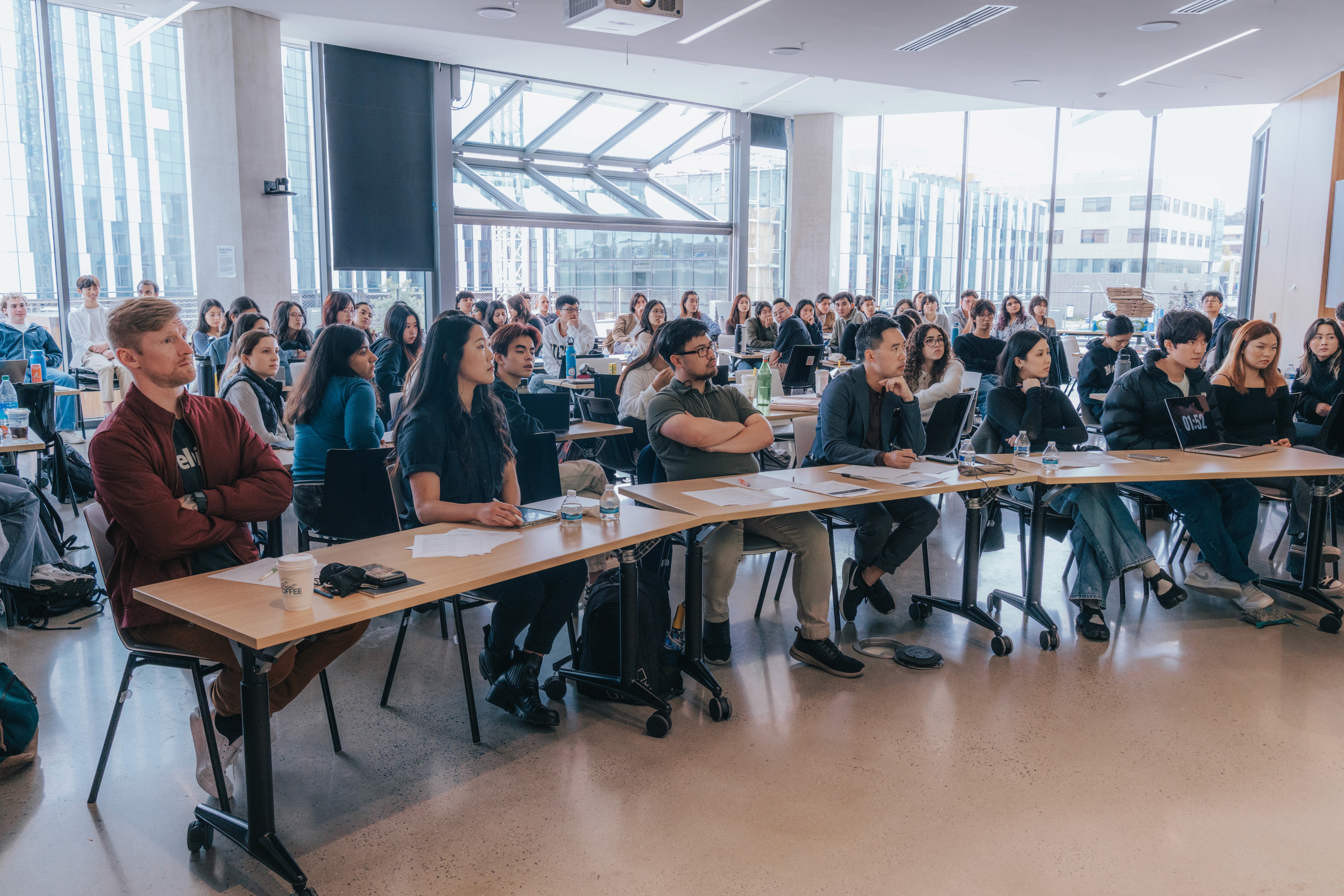
Up-grade is a 10-week summer internship that pairs college students with San Diego nonprofits to tackle real-world design challenges.
Each team includes a designer, developer, strategist, mentor, and nonprofit stakeholder. Together, they build projects like website redesigns, social media kits, and branding systems.
Students meet weekly, check in with partners, and present final work at a community showcase. As the program manager, I oversee team formation, onboarding, timelines, and support throughout.
RESEARCH & FEEDBACK
Research didn't just inform the program— it shaped it.
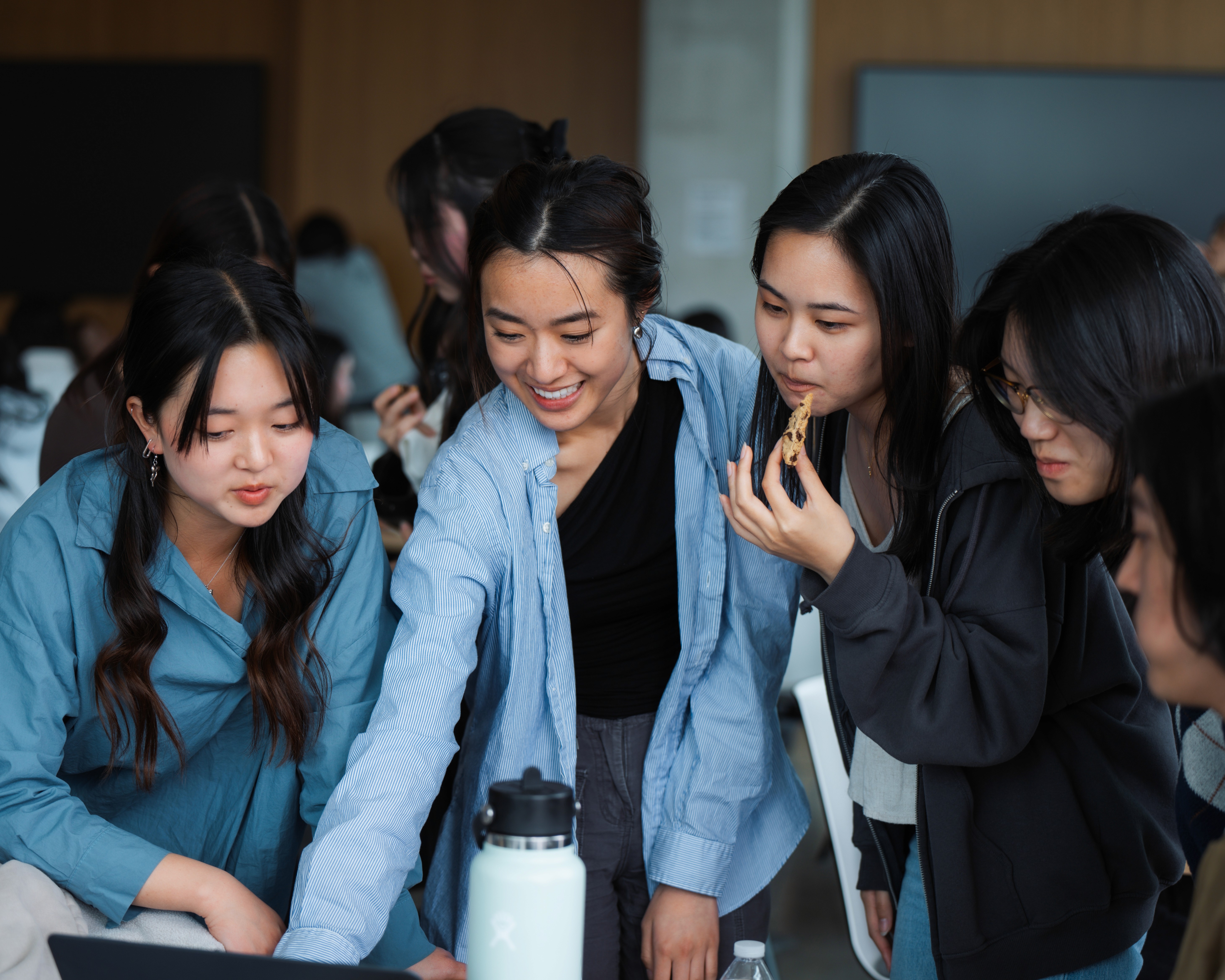
Each year, I gathered feedback through check-ins, retros, surveys, and 1:1s. The takeaways:
Students needed clearer goals and more design guidance
Nonprofits struggled with setting expectations and giving feedback
Mentor involvement was inconsistent, affecting team morale
These insights led to clearer briefs, streamlined onboarding, and better checkpoints—refinements that strengthened the program for everyone.
CHALLENGES & ITERATION
Leading through the messy moments
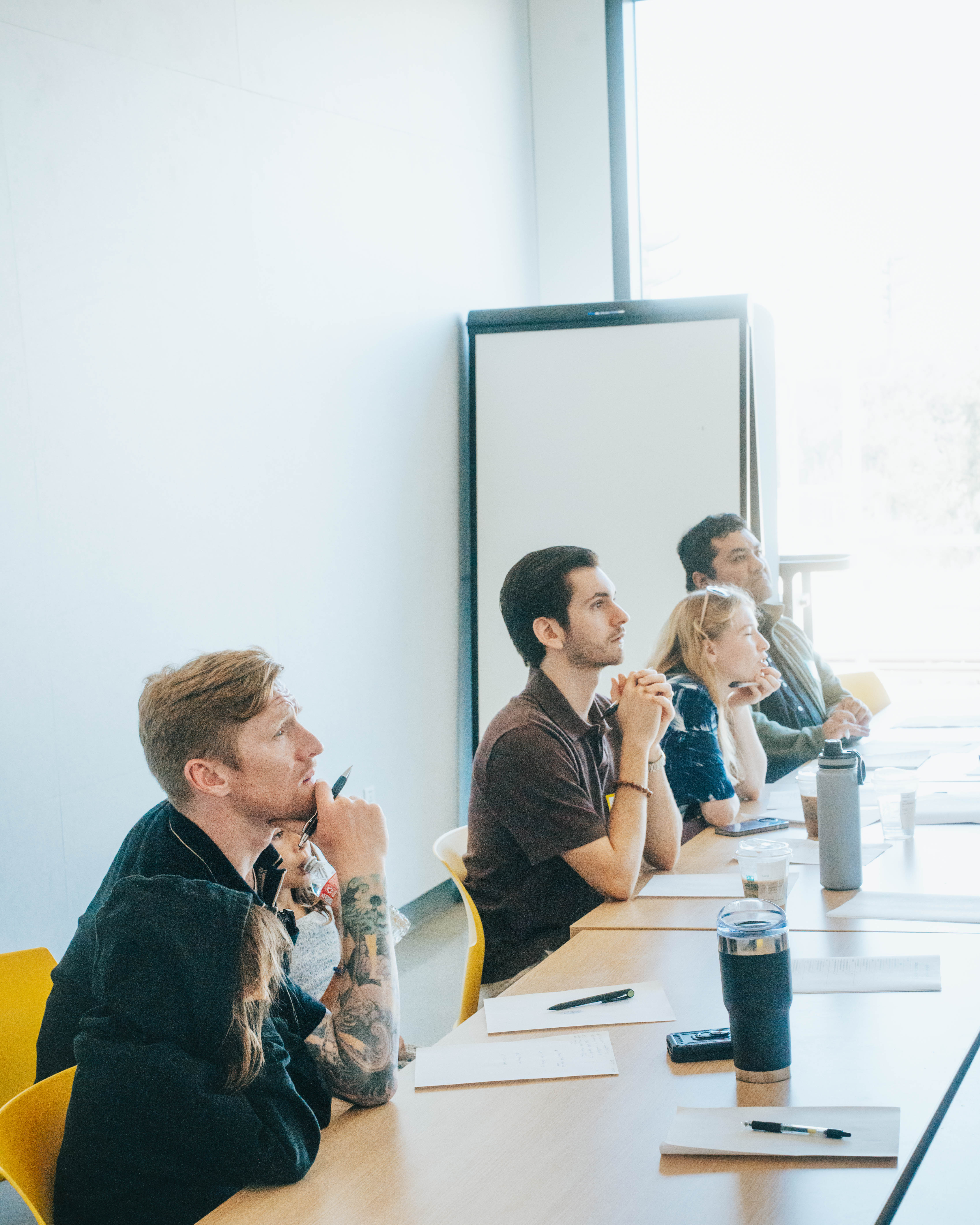
Instead of chasing perfection, I focused on building systems that could be flexible. Here’s how I responded when things got messy:
Proactive communication
I reached out early, clarified expectations, and re-aligned teams when things shifted.Contingency planning
I created backup plans—like alternate mentors or float team members—to minimize disruption.Improved onboarding
I designed clear role guides, kickoff templates, and timelines so each team started on the same page.Stronger check-ins
Weekly syncs helped surface friction early, and let me step in with support when needed.
Every problem became a prompt to improve the next version.
LESSONS
Growth in the gaps
Flexibility is a leadership skill
Plans will change. People will drop. The best thing I could do was adapt quickly and keep everyone grounded.Clarity beats assumptions
Many breakdowns came from unspoken expectations. Clear roles, goals, and communication made a huge difference.Iteration builds resilience
The program didn’t get easier—it got smarter. Each summer was smoother because of the changes made from the last.
IMPACT
Real work. Real growth. Real community.
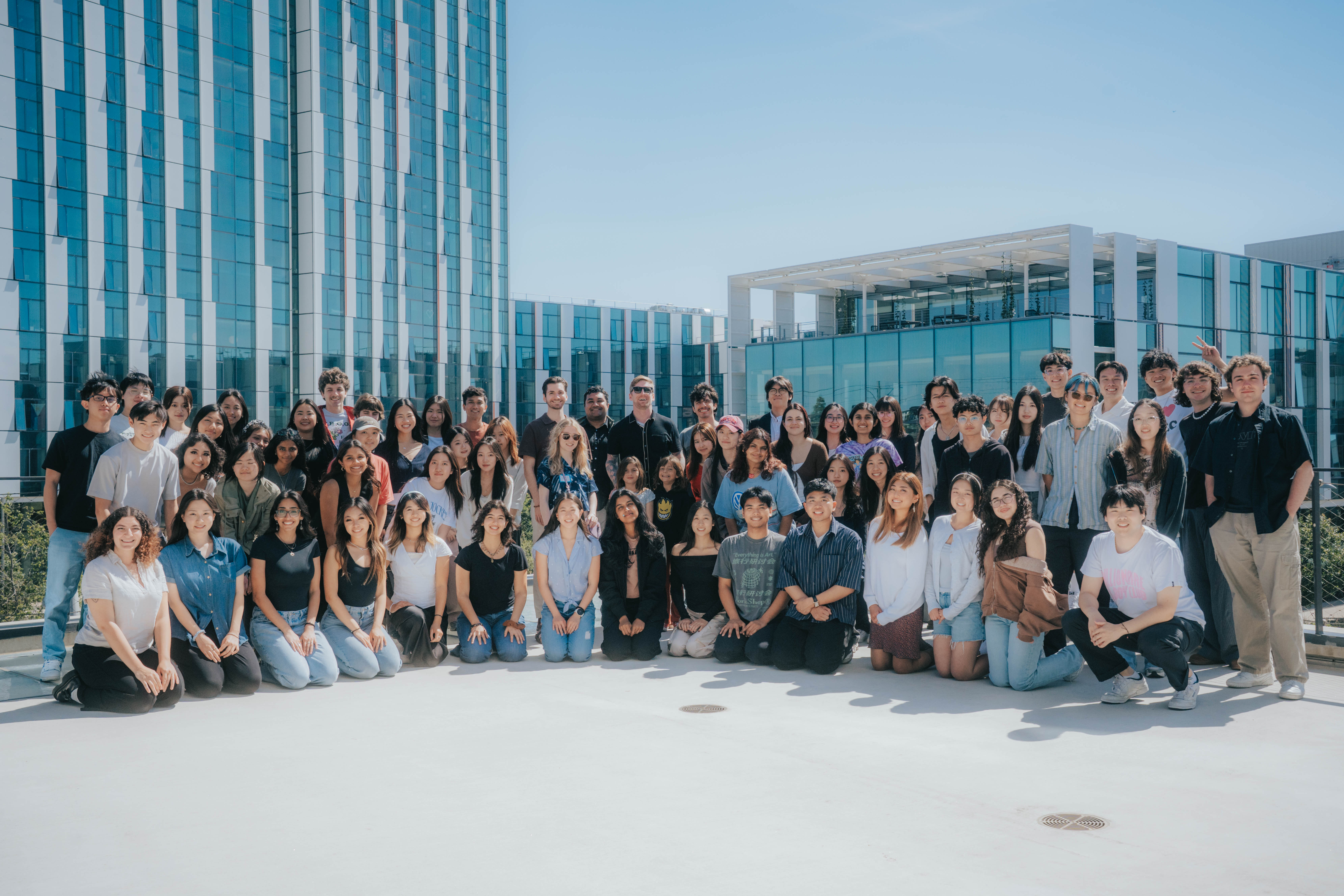
40+ students gained experience, mentorship, and portfolio-ready deliverables
Dozens of nonprofits received design support they couldn’t otherwise access
Mentors got a chance to give back and shape emerging talent
And I grew into a more confident, adaptive, and human-centered leader
Up-grade is still growing—but it’s already made an impact far beyond a single summer.
NEXT STEPS
Evolving with users in mind
Up-grade has always been built on human-centered values—and that includes constantly rethinking how the program serves students.
Many participants shared that while they valued the nonprofit work, they wanted more ownership over the product and outcomes. Some felt their final deliverables didn’t fully reflect their skills or passions.
So this summer, we're trying something new.
We're pivoting to a more product- and portfolio-driven format. Instead of working with nonprofits, student teams will tackle real-world challenges pitched by industry professionals. The program will mimic a startup environment, where students collaborate across roles—PMs, designers, developers—to build domain-specific product solutions.
It’s a bold shift. We’re still figuring out what it will look like. But we believe this pivot will:
Offer more creative alignment for students
Foster deeper collaboration and ownership
Better reflect the environments many students want to grow into
This change reflects what I’ve learned from the very beginning: listen closely, adapt when needed, and always design with people at the center.